Independent machinery sourcing · Evidence

centrifugal pump

Centrifugal Pump Sourcing is an independent sourcing partner for US plant buyers who need a centrifugal pump matched to a stated duty. We collect flow, head, fluid properties, quantity and destination so manufacturers can return wholesale quotations that can be compared on the same envelope. We do not own a foundry, keep warehouse stock, or act as a brand-appointed reseller. The simultaneous flow-head duty on the selected pump curve is the procurement scope; catalog maximum flow and maximum head must not be combined as if they occur together.

Buyer and supplier responsibilities stay split. You own the process data, NPSHa estimate, and installation geometry. The quoting manufacturer owns hydraulic selection, pressure-containing design limits, and the documents attached to its offer. Our coordination role is to circulate the same brief, flag missing fields, and list included versus separately quoted items. No page here certifies a plant layout or guarantees certified output after installation.

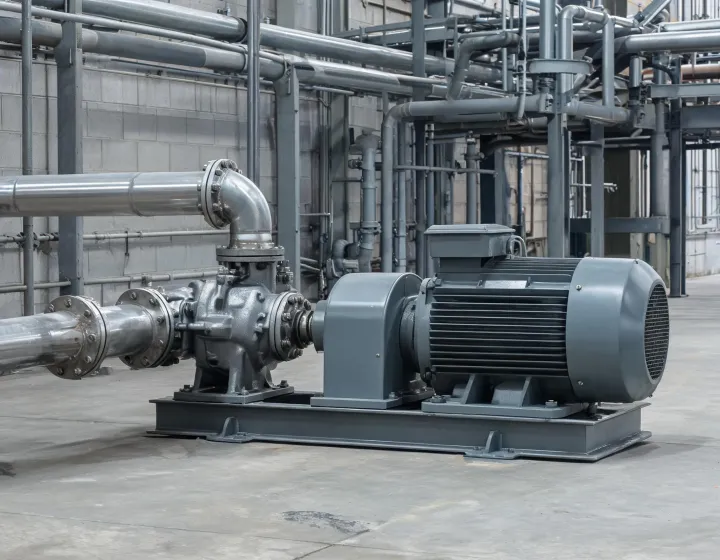
Request Factory Quotes Centrifugal pump on a process skid with suction and discharge piping visible

Site interface register

Connections to confirm
Interface Buyer input
Electrical Voltage, phase and frequency for the driver, plus whether a VFD is already specified. A US three-phase supply is common; the motor nameplate on the quote must match the plant bus, not a generic catalog listing.
Utilities Seal flush, quench, cooling water, and any barrier-fluid plan. Compressed air demand is usually limited to instrumentation; still list it if a seal support skid is expected.
Controls Start/stop, interlocks, vibration or dry-run protection, and PLC interface points. Protocol names belong in the RFQ only if the buyer already standardized them.

Replacement versus new installation

A replacement centrifugal pump often fails the RFQ when buyers copy the old tag plate without measuring nozzle orientation, centerline height, and the space needed to withdraw a back pull-out assembly. A new installation fails when the footprint and suction piping are assumed from a brochure photograph. Either path still starts from the duty point, not from a brand habit.

Existing process

If a pump already runs, record the observed flow rate, discharge pressure, fluid temperature, and how often the unit operates near shutoff or runout. Those readings are the known input. They do not prove that a new impeller or a different speed will restore the old nameplate without a curve check. Throughput claims copied from another plant remain unusable until the fluid and piping match.

State whether the purchase is a drop-in replacement in existing nozzles or a new skid with new suction geometry. Ask the supplier to mark the duty on its own curve for the quoted impeller and speed.

Where a centrifugal pump sits in the process

Existing process

Transfer, circulation, and booster services look similar on a datasheet and behave differently at suction. Viscosity, dissolved gas, and solids change the useful operating range even when working pressure looks modest. A high pressure centrifugal pump inquiry still needs the same simultaneous duty, plus a pressure-envelope check that is not inferred from a single-stage family page.

Do not treat a published maximum head as available at the published maximum flow. Request the acceptable operating range around the marked duty.

Which documents belong in the first RFQ

Which procurement scope is covered by centrifugal pump?
  • Drawing or process description

    A P&ID excerpt or a written loop description that names the suction source, discharge destination, and whether the pump sees a flooded suction or a lift. Include nozzle ratings if they are already frozen by plant piping class.

  • Operating conditions

    Simultaneous flow and head, working pressure, fluid temperature, density or specific gravity, viscosity, solids, and duty cycle. If the service is intermittent, say so; continuous ratings cannot be assumed from a start-up snapshot.

Missing NPSHa, fluid chemistry, or quantity and destination will keep quotations non-comparable. We still forward a partial brief, but suppliers may hold a hydraulic selection until those fields arrive. FAT and SAT remain contract items, not implied by sending this form.

Which responsibilities remain with the equipment supplier and buyer?

The supplier confirms hydraulic selection, materials for the stated fluid, and which accessories sit inside the pump quote. The buyer confirms site utilities, foundation, piping alignment, and who signs acceptance against the agreed curve and inspection records. Centrifugal Pump Sourcing does not sign engineering drawings or absorb either party’s contractual duties.

Request factory quotes with a trial sequence

Discuss Your Requirements